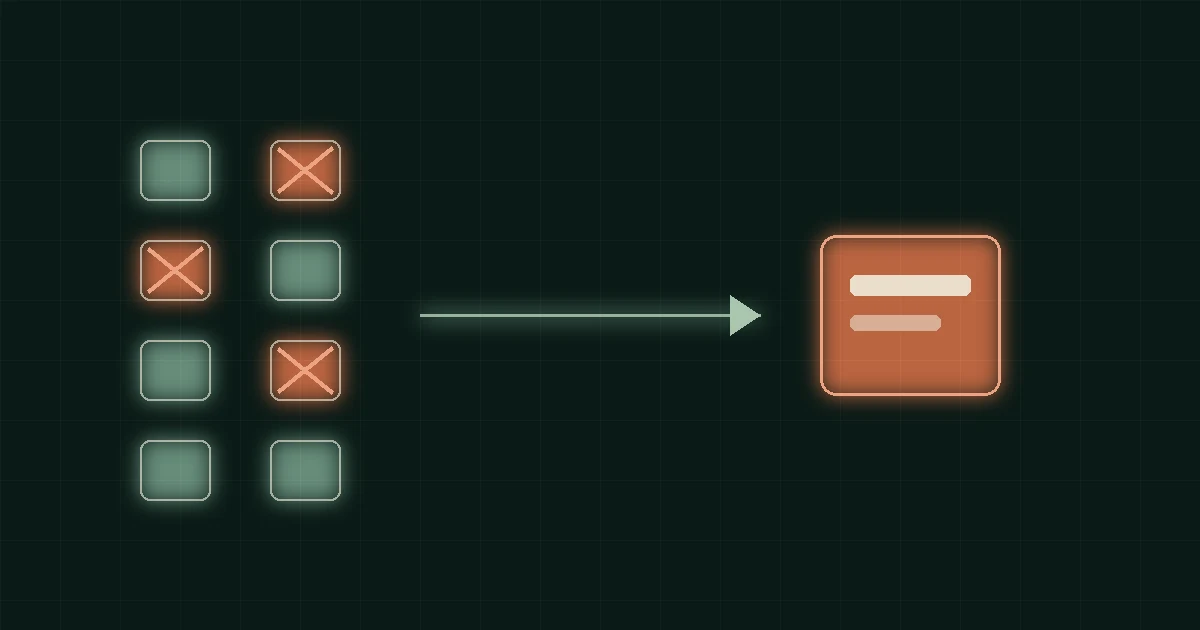
In 2003, Taobao was a small C2C site losing to eBay in China. Buyers feared paying for goods that never arrived; sellers feared shipping goods and never being paid. Both sides were rational — so most trades simply didn't happen. Taobao's answer was not a better rating system or a bigger marketing budget. It was 擔保交易: the buyer's payment goes to a neutral holding account, the seller ships only after the money is visibly secured, and the funds release only when the buyer confirms receipt. That single flow change became Alipay — and the foundation of Chinese e-commerce.
The mechanism beat the reputation system
The lesson most platforms miss: reviews are backward-looking trust signals — they tell you a stranger treated previous customers well. Escrow is a forward-looking trust mechanism — it protects this transaction regardless of history. Taobao's data made the point brutally: once one tea seller accepted escrow payment, orders concentrated on that seller so fast that competitors had to follow. By 2005 over 70% of Taobao listings used it voluntarily; then it became mandatory. Trust built the market before the market built trust.
将风险留给自己,将信任传递给生态 — keep the risk on the platform's side, hand the trust to the ecosystem. Alipay's 2005 'you dare to pay, we dare to compensate' promise turned a payment feature into a growth engine.
What this means for hiring freelancers in Hong Kong
Hong Kong's freelance market in 2026 sits exactly where Taobao sat in 2003. Clients pay 50% deposits over WhatsApp and hope; freelancers deliver work and chase invoices for months. Local platforms advise 'always take a deposit' — which is an admission that nothing in the system actually protects either side. The fix is the same one Taobao proved: hold the money neutrally, tie release to evidence, and make the rules automatic instead of negotiable.
- Fund before work starts — the expert sees the money is real before writing a line of code, so they never have to chase payment.
- Release only two ways — the client's named sign-off, or automatically 7 days after delivery if the client goes silent. No third path exists, for anyone.
- Dispute freezes instantly — either party can freeze the funds mid-transaction; resolution comes from evidence, not whoever moves first.
- Funds sit with licensed payment institutions (Stripe / PayPal) — the platform never holds the money on its own balance sheet.
Why we publish our escrow rules instead of hiding them
Alipay's second lesson was the 2005 compensation promise: once the mechanism worked, they said so loudly and took residual risk on themselves. We follow the same playbook — our Trust page publishes the full acceptance gate, the two release paths, and the dispute freeze in plain language, in six languages. If a platform won't write down exactly when your money moves, that silence is the answer.
Twenty-three years ago a neutral holding account turned strangers into trading partners across China. The same mechanism now protects AI projects in Hong Kong — not because anyone trusts harder, but because no one has to.
AI Freelance Hub Team
We run the marketplace where vetted automation experts meet the businesses that need them. We publish practical guides and anonymized, composite scenarios drawn from real automation work.
Ready to automate? Post a project — free
Describe the workflow you want, get proposals from vetted experts, and pay only through protected payment.
Post a Project